Let the Learning Begin Here
We Believe Our Languages are Medicine
Language is culture, culture is language.

Learn
We teach online, project-based, immersion classes in Lakota to children and adults of all levels
Other Options
Other classes exist - this is our list of other places for you to learn Lakota
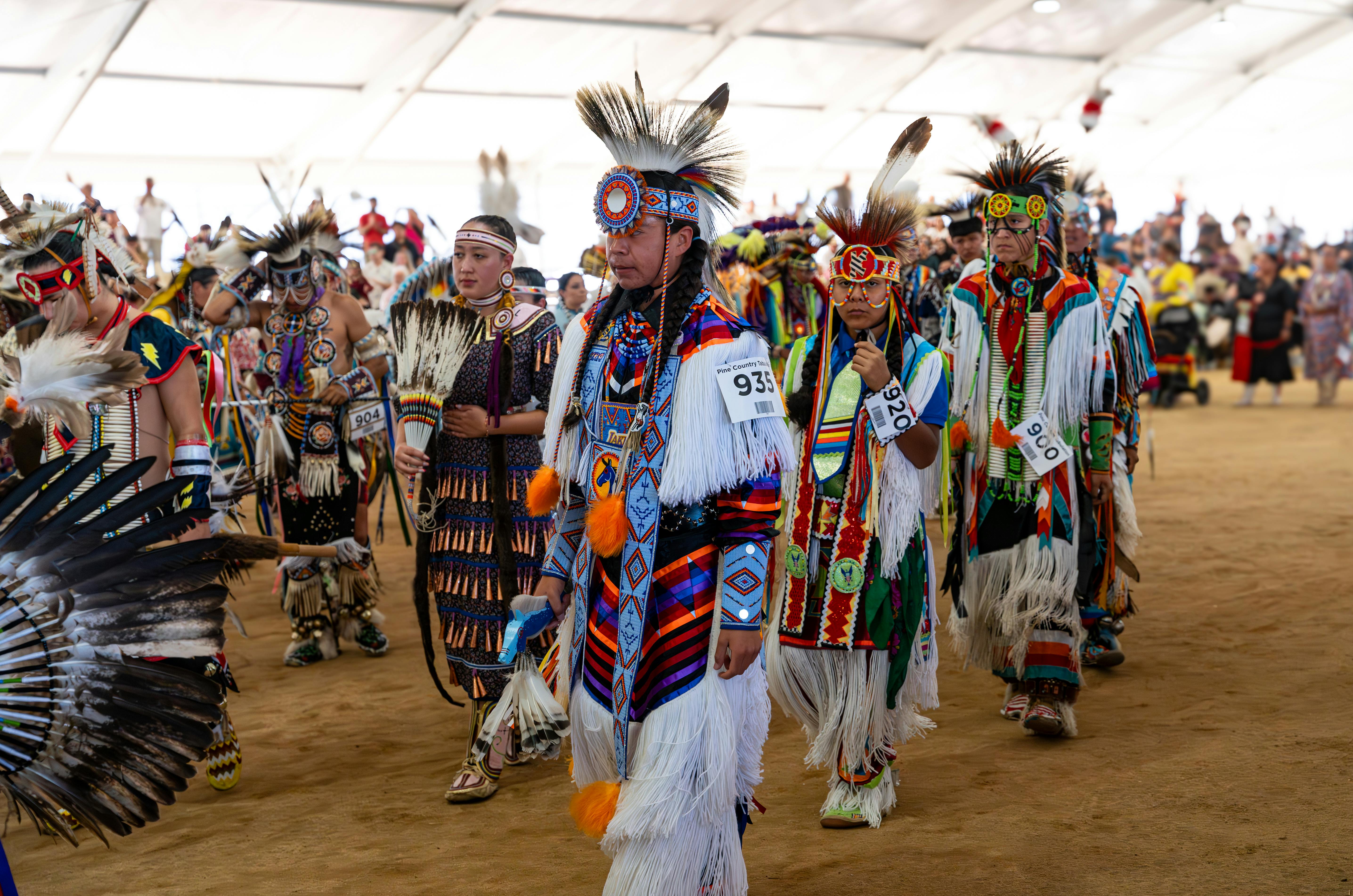
Resources
Hands-on activities, creative play, and guided exploration help children learn by doing. We encourage curiosity, imagination, and problem-solving through structured and free play.
Decolonize your mind.
Learning Through
Doing is Indigenous
Our ancestors knew many things, and their ways of learning are not sitting at desks all day.
Traditional learning involves observing, trying, correcting, and repeating with progressively less support
Traditional learning is based in what needs to be done, not theoretical knowledge
Traditional learning respects the learner's time, autonomy, and place in the community
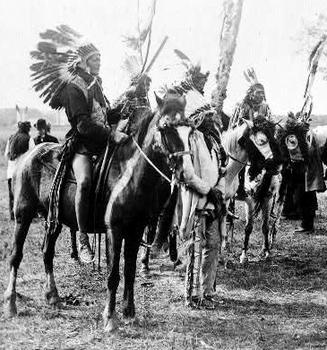
Learn the Language of Your Ancestors
The Ancestors are Speaking
Don't take our word for it. See what our students are saying.
Why Choose Us
Frequently Asked Questions
We teach anyone, utilizing immersion methods and with a trauma informed viewpoint. We know that language is sometimes a complicated subject for many of us because of our experiences and our ancestors' experiences with schooling and language.
1. What ages do you teach?
Generally, we accept anyone in our typical classes, although they're probably best for older elementary students and above. Children's classes take preschool through elementary school.
2. What dialect do you teach?
We know that Lakota varies from reservation to reservation, and sometimes even from village to village. When a teacher knows multiple variations, they use them; when students bring words from their community we try to incorporate those as well. There are many "right" ways to say things in Lakota.
3. What orthography do you use?
We mostly use the version with diacritical marks, because it makes it far easier for beginning students to pronounce words correctly on sight, even if they don't know the word. We do not dictate which orthography you use.
4. Do I need any prior experience with Lakota?
No prior experience is needed. We start our beginner classes assuming you have no exposure to the language. If you already have some experience, we'll do a screening of your skills to determine proper placement.
5. What method do you use?
We use project based immersion learning. That means you'll be doing things and then presenting them to the class. We believe this is the fastest way to gain proficiency.
6. How much progress can I make?
In our experience, most people who complete Lakota 1 have a beginner high or intermediate low proficiency - approximately equivalent to 1-2 years of a high school language class.
7. What does this cost?
As an Indigenous non-profit, we choose to offer language classes to other Indigenous people for free - although if you can afford a donation, that's always appreciated. Our language was taken from us, and the whole goal here is to give it back.
For those non-Indigenous folks interested in learning the language, we have a sliding scale.
If you are living or working on or near a reservation or reserve where Lakota is spoken, or work with Lakota people, our pricing is a very nominal $40 US/month (that's $400 for the equivalent of 6 credit hours of college classes) - we want more people speaking our language in our communities, regardless of who they are.
If you live farther away (particularly those outside the US), the price is $100 US/month (that's still less than half the cost of the average US university tuition for 6 credit hours).
Offering this pricing scale helps us return the language to our people, who should have grown up speaking it, but didn't due to the anti-Indigenous actions of governments in North America.
Language is the key
We know that language is important. Reserach says it improves mental health, educational progress, and more. Keeping our language alive keeps our culture alive.


Contact Us
© Copyright 2026, All rights reserved.